Turnkey slot game development means launching slot titles on a pre-built engine, theme library and tested math templates, so a studio or operator can ship a certified game in weeks to a few months instead of building every layer from scratch. It trades some originality for speed, predictable cost and lower certification risk. This guide compares turnkey and custom builds, shows what a kit contains, and covers reskinning, certification, timeline, cost drivers and aggregator distribution, within our slot game development and turnkey iGaming solutions practice.
What Is Turnkey Slot Game Development?
Turnkey slot game development is a delivery model in which the foundations of a slot are already built and tested. Instead of writing a game client, a reel engine, a math model and a game server for every title, you start from a proven kit and configure it: pick a theme, choose a math template, set the paytable and feature mix, then produce art and sound on top.
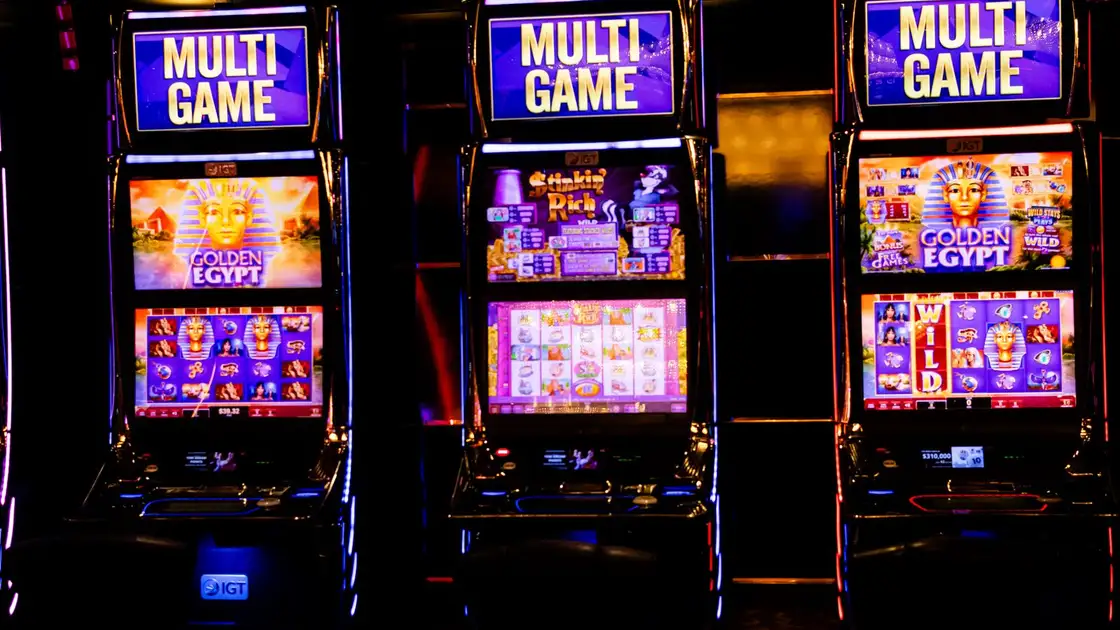
The model suits operators who want exclusive content without becoming a studio, new studios that need a first catalogue quickly, and aggregators filling gaps in their lobby. It is not a shortcut around quality. A good kit concentrates the hard engineering, such as the RNG integration, round recovery and wallet handling, in one place, so each new game inherits behaviour that has already been proven in production.
Turnkey vs Custom Slot Game Development
The real choice is rarely all or nothing. Most successful catalogues mix both: turnkey titles for volume and speed, and a few custom flagships for brand and differentiation.
| Factor | Turnkey | Custom |
|---|---|---|
| Time to market | Weeks to a few months | Several months or more |
| Upfront cost | Lower, driven mostly by art | Higher, includes engine and math work |
| Originality | Shared mechanics, unique theme | Unique mechanics and IP |
| Math model | Pre-tested templates, tuned | Designed and simulated from scratch |
| Certification risk | Lower, proven components | Higher, first-time testing |
| Best for | Catalogue growth, fast launches | Flagship titles, brand-led games |
If your priority is a signature mechanic or a licensed brand, read our page on custom slot game development. If your priority is volume and speed, turnkey is usually the better starting point, and you can graduate individual titles to custom later.
Choosing turnkey slot game development makes the most sense in three situations: you need to fill a catalogue gap before a launch window, you want to test a market or theme before committing a larger budget, or your team lacks in-house math and engine expertise. It makes less sense when the mechanic itself is the product, because a shared engine limits how far a feature can diverge from the template.
What Is Inside a Turnkey Slot Kit
A credible turnkey kit has four layers, and the quality of each determines how much rework you face later.
Game client engine
The client renders reels, animations and the interface. Most modern kits are built in HTML5 with a renderer such as Pixi.js, which runs across desktop and mobile browsers without plugins, as covered in our guide to HTML5 slot game development. Studios that want richer 3D effects may prefer a Unity-based client instead.
Theme and asset library
Themes provide symbol sets, backgrounds, sound packs and animation rigs. Because the mechanics are separate from the art, a theme can be swapped without touching the logic, which is what makes reskinning fast.
Math templates
Math templates define reel strips, paytables, volatility and feature behaviour such as free spins, expanding wilds, cascading reels or hold-and-win rounds. Each template ships with simulation results at a target RTP, and operators can usually choose among RTP variants where the market allows. The principles are explained in our guide to slot game math and RNG.
Game server and back office
The server owns the outcome. It calls the certified RNG, calculates the result, talks to the wallet, records every round and recovers interrupted sessions. A back office adds configuration, reporting and round history for operators and regulators.
Reskinning and Theme Production
Reskinning means replacing the visual and audio layer of an existing game while keeping its engine and math. It is the fastest route to a new title, but it needs discipline, because players and regulators notice when a catalogue is the same game wearing different clothes. A sensible reskin workflow looks like this:
- Choose a mechanic and math template that fits the target audience and volatility.
- Define a distinct theme with original symbols, animations and sound.
- Adjust features, such as bonus triggers and win presentation, so the game plays differently.
- Run quality assurance across browsers, devices and network conditions.
- Submit the finished build for certification in each target market.
Avoid copying another studio's characters, names or distinctive artwork. Intellectual property disputes are far more expensive than original art. Done well, turnkey slot game development produces a catalogue with a consistent player experience and genuinely different games, rather than clones.
Math, RNG and Certification
A pre-built engine reduces certification risk, but it does not certify your game automatically. Independent labs such as GLI, iTech Labs, BMM Testlabs and eCOGRA test the RNG, the game math and the integrity of the game rules, typically against standards such as GLI-11 for gaming devices. Regulators including the UKGC and the MGA then accept or reject the results for their markets, and requirements differ by jurisdiction.
In practice, each game build and each RTP configuration usually needs its own testing, even when the engine is shared. Our RNG integration and testing service prepares builds for lab submission, and the iGaming certification and testing guide walks through the process step by step. Plan certification time into the schedule early, because lab queues and rework cycles often set the launch date more than the code does.
Timeline and Cost Drivers
Timelines and budgets vary with scope, so treat any range as indicative until a discovery phase confirms it. A reskin on an existing template typically takes weeks. A new themed title with custom features usually takes a few months. Multi-jurisdiction certification can add more time on top. For a fuller breakdown, see our guide to slot game development cost. The main cost drivers are:
- Art and animation volume: symbol count, bonus scenes and cinematic moments.
- Feature complexity: free spins, multipliers, buy-feature options and jackpots.
- Math work: bespoke volatility profiles and multiple RTP variants.
- Certification: number of labs, markets and RTP configurations.
- Localisation: languages, currencies and responsible gambling messaging.
- Integrations: wallet, aggregator and reporting interfaces.
Turnkey slot game development keeps these drivers more predictable because the engine and math work is already amortised, which is why fixed-scope packages are common. Even so, insist on a written scope that lists symbol counts, bonus rounds, languages and target jurisdictions, because changes after art sign-off are the most common source of overruns.
Distribution Through Aggregators
A finished slot is only valuable if operators can offer it. Most studios distribute through a casino game aggregator API, which lets an operator integrate once and receive many studios' games through a single connection. The aggregator typically handles game launch, wallet callbacks for bets, wins and rollbacks, round history and reporting, and in return takes a revenue share.
Build to the aggregator's specification from the start: idempotent wallet calls, clear error handling, signed requests and complete round data. A turnkey kit that already speaks common aggregator protocols saves weeks of integration work, and it lets you reach several operators without negotiating a separate technical integration with each one. Testing against an aggregator sandbox before certification also catches wallet edge cases, such as duplicate bet requests and rollbacks after timeouts, while they are still cheap to fix.
How Sudonex Builds Turnkey Slot Games
Sudonex starts from a modular slot engine and theme pipeline, then tailors the math, features and art to your brief. We build clients in HTML5 with Pixi.js or Unity, run the game server in Node.js or Go with a certified RNG integration, and prepare the build for lab submission. Teams that need a wider catalogue can pair this with our casino game development services, and we hand over code you own.
Want to launch a slot catalogue without starting from zero? Talk to our team about a turnkey kit, a reskin plan or a custom flagship. Operators must be licensed in their target markets, and players must meet the minimum legal age.