
Virtual sports betting software lets an operator offer simulated football, horse racing, greyhound racing and motor racing events that run around the clock, with outcomes decided by a certified random number generator rather than real-world matches. Because events are short and continuous, the platform must combine a simulation engine, a pricing model that respects the target RTP, a rendering layer and a scheduler that never stops. This guide explains each part, plus certification and aggregator routes to market, as part of a broader sportsbook software offering. Virtual betting is real-money gambling: operators must be licensed, players must be 18+ or 21+ depending on jurisdiction, and responsible-gambling tools are essential.
What Is Virtual Sports Betting Software?
Virtual sports betting software generates fictional events, presents them as short video or 3D clips and lets players bet on the result before the event starts. Unlike a real sportsbook, there is no external data feed deciding the outcome: the RNG-driven simulation engine does. That puts virtual products closer to casino games in regulatory terms, even though the bet slip, markets and odds format look like a sportsbook.
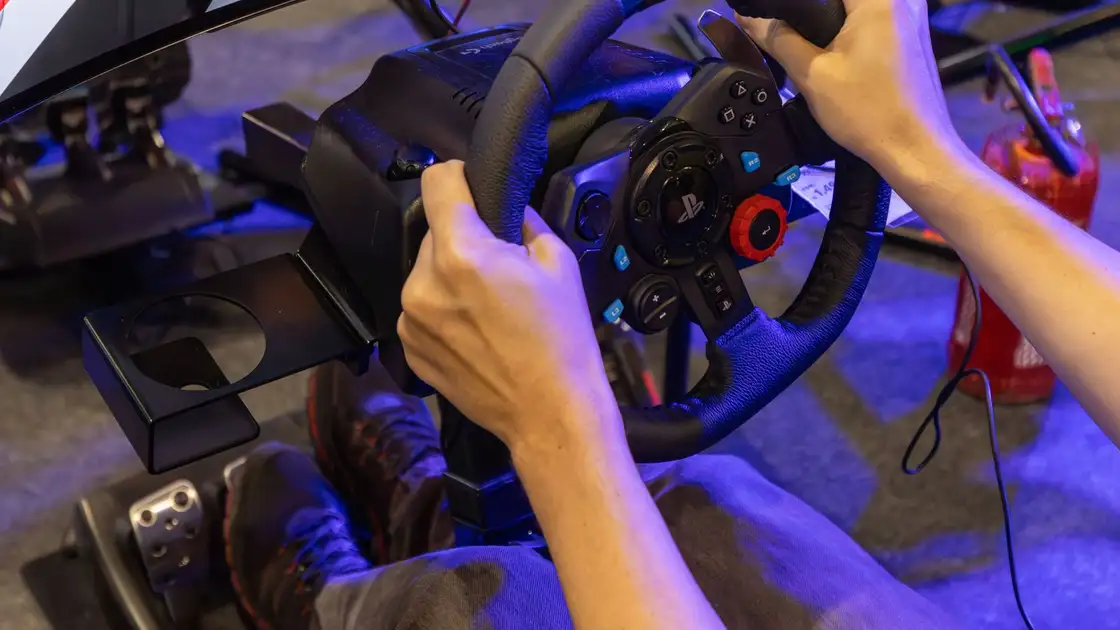
It sits comfortably next to a sportsbook software platform because it reuses the wallet, bet slip, limits, bonus engine and reporting. It also gives operators content that is available when real fixtures are quiet, such as overnight or between seasons.
Virtual Sports Products and Event Loops
Most operators launch with a small catalogue and widen it once player data shows what works. Each product has its own market set and event rhythm.
| Product | Typical markets | Simulation focus | Rendering notes |
|---|---|---|---|
| Virtual football (league or cup) | Match result, over/under goals, both teams to score, correct score | Team strength ratings and goal distribution | Highlight reels or short 3D matches |
| Virtual horse racing | Win, place, forecast, tricast | Runner ratings, field size, race variance | Race replay with commentary |
| Virtual greyhound racing | Win, place, forecast | Six-runner fields and trap draw effects | Short race clips, quick cycle |
| Virtual motor racing | Winner, podium, head-to-head | Driver and car ratings, incident chance | 3D track with camera cuts |
Why the event loop matters
A typical product runs a repeating cycle of a few minutes: betting opens, a countdown runs, bets lock, the clip plays and results settle. Players can stay in the loop for hours, which is why session reminders and deposit limits matter more here than in a weekly football fixture list.
The Simulation Engine and RNG
The simulation engine is the core of any virtual sports betting software build. It takes participant ratings and a seed from a certified RNG, then produces a full event result: scoreline and scorers for football, finishing order and times for racing. The result is fixed before the clip is rendered, and the clip is a presentation of that result, not a second simulation.
- Server-side only: outcomes are generated and stored on the server, never on the client.
- Seed management: seeds come from an approved RNG and are logged so any event can be replayed for audit.
- Ratings model: team and runner strengths are configuration, versioned and changed only through controlled releases.
- Statistical validation: run large Monte Carlo batches to confirm that simulated frequencies match the intended probabilities for every market.
The background is explained in our guide to slot game RNG, and the same principles apply to virtual events.
Odds, Margin and RTP
Odds are derived from the simulation's true probabilities, then a margin is applied to reach the target RTP. If the true chance of a home win is 40%, the fair price is 2.50 and the offered price is slightly shorter, depending on the margin. Because the operator controls both the simulation and the prices, RTP is measurable and testable, and regulators and test labs expect it to be documented.
Margin can vary by market: simple win markets usually carry less than exotic forecasts. Publish the RTP where required and keep a reconciliation report that compares theoretical against actual returns over large samples. The maths mirrors the approach in slot game math and RTP, and the pricing service can reuse components from a real-time odds engine for market publishing and limits, even though virtual odds are static for each event.
Video, 3D Rendering and Client Delivery
Presentation is what turns a random result into a product players enjoy, and it is the most visible part of virtual sports betting software. There are two common approaches: pre-rendered video clips assembled from a library of scenes, or real-time 3D and 2D rendering in the browser using Unity WebGL, HTML5 and Pixi.js. Pre-rendered video is cheap to run and consistent across devices but limited in variety; real-time rendering is flexible and lighter on bandwidth for some designs, but needs more client testing.
- Match the clip precisely to the stored result, including the finishing order or scoreline.
- Use adaptive streaming or small assets so the experience works on mobile data connections.
- Synchronise the clip with the event timeline so late joiners see the correct point in the countdown or replay.
- Build the lobby and bet slip in React with WebSocket updates for countdowns, results and balance changes.
24/7 Event Loops and Scheduling
A virtual sports scheduler is a stateful service that creates events ahead of time, moves each one through its lifecycle and never lets the schedule run dry. It must survive restarts and deployments without duplicating or dropping events.

- Event lifecycle: scheduled, betting open, locked, running, settled and archived, each with defined transitions.
- Time discipline: a single authoritative clock and clear cut-offs so a bet placed at lock time is accepted or rejected consistently.
- Resilience: Redis for live state, Kafka for event streams and PostgreSQL for the permanent record, deployed across zones on Kubernetes.
- Multi-channel delivery: the same events can feed web, mobile and retail terminals, which is common for high-volume virtual products.
- Settlement: automatic, idempotent payouts so a retried message never pays twice.
Certification and Compliance
Virtual sports are regulated as RNG-based games in most markets, so independent testing is not optional. Test labs such as GLI, iTech Labs, eCOGRA and BMM Testlabs review the RNG, the simulation, the pricing and the game rules; GLI-19 is a commonly referenced standard for interactive gaming systems. Expect reviewers to ask for source evidence, seed handling, event logs, RTP reports and a way to reproduce historical results.
Plan certification for your virtual sports betting software into the schedule rather than treating it as a final step. Our RNG integration testing service covers the technical prerequisites, the iGaming certification testing guide explains the process, and our casino licensing and compliance support maps jurisdiction rules such as UKGC, MGA and Kahnawake requirements. Operators must label virtual events clearly so players never mistake them for real matches, and they need KYC/AML and responsible-gambling controls like any licensed product.
Aggregators, Build or Integrate
Operators have three routes to market, and the right choice depends on budget, differentiation and speed.
| Route | Best for | Trade-off |
|---|---|---|
| Integrate third-party content via an aggregator | Fast launch with several providers | Less control over look, margin and roadmap |
| White-label a virtual sports product | Single-provider simplicity | Limited customisation, ongoing licence fees |
| Build a custom virtual sports engine | Branded content and full control | Higher upfront cost, own certification |
Aggregator integration usually means a seamless-wallet API with bet, win and rollback calls, plus game launch and reporting endpoints; see our casino game aggregator API work for the pattern. Many operators begin with aggregated content and later add a custom product once volumes justify it.
How Sudonex Builds Virtual Sports Betting Software
We scope the products, markets and target jurisdictions first, then design the simulation engine, scheduler, pricing and wallet integration as separate services. Rendering is built in Unity, HTML5 or pre-rendered pipelines depending on the design brief. We run statistical validation, load tests and failover drills before submitting to a test lab, and we support the certification process. Virtual sports can launch inside a turnkey sportsbook software package or alongside our casino game development projects, with full code ownership.
A first virtual product usually takes a few months, and a multi-sport catalogue with custom 3D content takes longer; timelines depend on scope and the chosen test lab. Contact Sudonex to plan your virtual sports betting software build.