Lottery software development powers online lotteries, instant-win games and number games that reach a mass-market audience with low-stakes, high-frequency play. Building a platform that ranks, converts and scales means getting the draw engine, certified RNG, ticketing, lottery management, analytics, omnichannel support and compliance right from day one. This guide reverse-engineers exactly what a winning lottery platform requires — game types, draw integrity, management and operations, analytics, agent and retail channels, compliance and cost — within our online casino software practice.
What Is Lottery Software Development?
Lottery software development is the engineering of online lottery and number-game platforms — draw engines, instant-win and keno-style games, ticket sales and number selection, a certified random number generator, player wallet, payments, and the lottery management, reporting and analytics operators run the business on. It spans both the player-facing app and the back-office operations that schedule draws, validate winners and pay prizes. Lotteries reach a broad, mass-market audience with low-stakes, high-frequency play, which makes reliability and trust central to the product. It relates to our online casino software practice.
Lottery Game Types
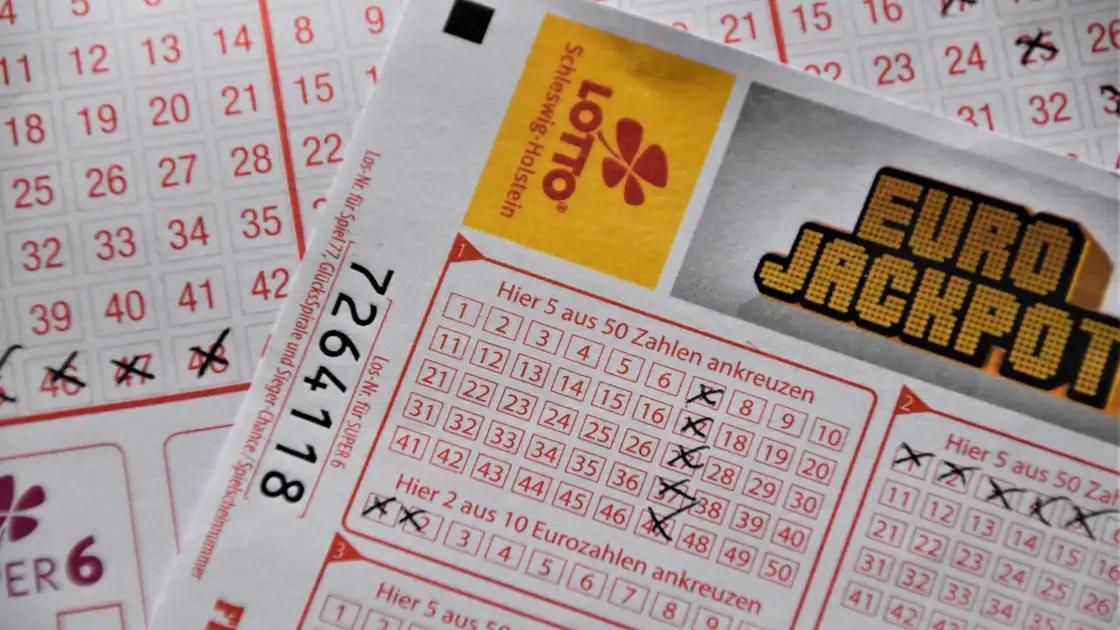
A broad platform supports draw-based lotteries, instant-win scratch games, keno and number games, plus syndicate and subscription play that smooths revenue and builds habit. Each game type shares the same certified RNG and wallet core while differing in game logic and presentation, so a well-architected platform adds new game types as configuration rather than rebuilds. Breadth widens the audience — some players want the anticipation of a weekly draw, others the instant gratification of a scratch game — and supporting both maximises engagement and sales.
RNG and Draw Integrity
Draw and instant-win outcomes must use a certified RNG, tested by independent labs such as GLI or iTech Labs, with auditable logs so every result is provably fair and regulator-ready. Draw integrity is the entire trust proposition of a lottery — players must believe the draw is genuinely random and the process tamper-proof — so certification, transparent logging and, where appropriate, independent draw oversight are non-negotiable. A lottery that cannot demonstrate integrity has no product.
Ticketing, Wallet and Payments
Number selection, ticket sales and management, a reliable player wallet, and fast multi-PSP and crypto deposits and withdrawals underpin the player experience. Features such as quick-pick, saved numbers, recurring subscriptions and ticket history make repeat play effortless, which is where lotteries earn their revenue. A smooth purchase-to-payout flow — easy buying, clear results, prompt prize payment — is what converts casual buyers into loyal, repeat players and keeps them coming back for the next draw.
Lottery Management and Operations
Behind the player app sits lottery management software: draw scheduling and execution, prize-tier configuration, winner validation and payout, agent and retail management where relevant, and operational dashboards. These operations tools are what let an operator run draws reliably, at scale and on time, across potentially many games and markets. Robust management software reduces operational risk — a mis-run draw or a payout error is both a financial and a reputational event — and is as important as the player-facing app.
Reporting, Analytics and Marketing
Reporting and analytics turn ticket-sales and player data into decisions: which games sell, which channels convert, when demand peaks, and where to focus marketing spend. Integrated analytics and marketing tooling — CRM, segmentation, promotions and responsible targeting — lift retention and lifetime value well beyond what draw sales alone deliver. Data is the operator's edge: understanding player behaviour across games and channels is what turns a lottery from a series of draws into a growing, optimised business.
Agent, Retail and Omnichannel Play
Many lotteries operate across channels — online, mobile, and physical retail or agent networks — so the platform supports agent management, commission handling, retail terminals or apps, and reconciliation across channels. Omnichannel play widens reach, especially in markets where retail remains important, and a platform that unifies online and offline sales under one system gives the operator a complete view of the business and a consistent player experience wherever tickets are bought.
Compliance, Security and Responsible Play
Lottery is tightly regulated, so platforms ship KYC/AML, responsible-gaming limits, age verification, geo-fencing and jurisdiction-specific licensing, backed by strong security and compliance controls. Player funds and prize pools must be handled with bank-grade security and clear segregation where required. Getting the regulatory framework right early prevents costly rework, protects the licence the business depends on, and reassures players that the lottery is operated responsibly and lawfully.
Cost, Timeline and Development Steps
Cost and timeline depend on the number of game types, the depth of lottery management and analytics, omnichannel and agent support, payments and certification — a focused instant-win build is far faster and cheaper than a multi-format, multi-market, omnichannel platform. Development steps run from discovery and compliance scope through architecture, build, certification and launch, with additional recurring costs for data, hosting, licensing and maintenance. Budgeting for total cost of ownership gives a realistic picture of the investment.
Marketing, Jackpots and Player Growth
Lottery growth comes from a mix of compelling jackpots, smart marketing and habit-forming mechanics. Rollover and progressive jackpots drive spikes in ticket sales, while subscriptions and saved numbers build the recurring play that underpins steady revenue. A connected CRM and bonus engine power welcome offers, free tickets and loyalty rewards, and segmented campaigns re-engage lapsed players. Responsible, data-driven marketing — the right offer to the right player at the right time — is what turns one-off buyers into regulars and compounds a lottery's revenue over time.
Timeline and What to Expect
A focused instant-win or single-draw lottery can reach launch relatively quickly, while a multi-format, multi-market platform with omnichannel, agent networks and deep analytics takes considerably longer. The timeline runs through discovery and compliance scoping, draw-engine and platform architecture, player and back-office development, RNG and game certification, and a monitored launch. Because certification and compliance gate go-live, they are planned early rather than left to the end. Operators should expect to budget for both the build and the ongoing operation — draws, support, data and per-market certification — across the platform's commercial life.
Common Lottery Build Mistakes
The most damaging lottery mistakes are underinvesting in draw integrity and certification, weak back-office management that risks mis-run draws or payout errors, neglecting omnichannel and agent reconciliation in markets where retail matters, and treating analytics and CRM as optional rather than the engine of growth. Compliance shortcuts invite regulatory trouble in a tightly governed sector. Building integrity, robust operations and data tooling in from the start is what makes a lottery platform reliable, compliant and genuinely scalable.
Why Build Your Lottery Platform With Sudonex
Sudonex builds custom online lottery and number-game platforms with certified RNG draws, ticketing, lottery management, omnichannel support, reporting and reliable payments, with full code ownership and iGaming experience since 2018. Our iGaming development services and casino game development cover the full lifecycle from draw-engine design to launch. Talk to our team to scope your lottery platform.